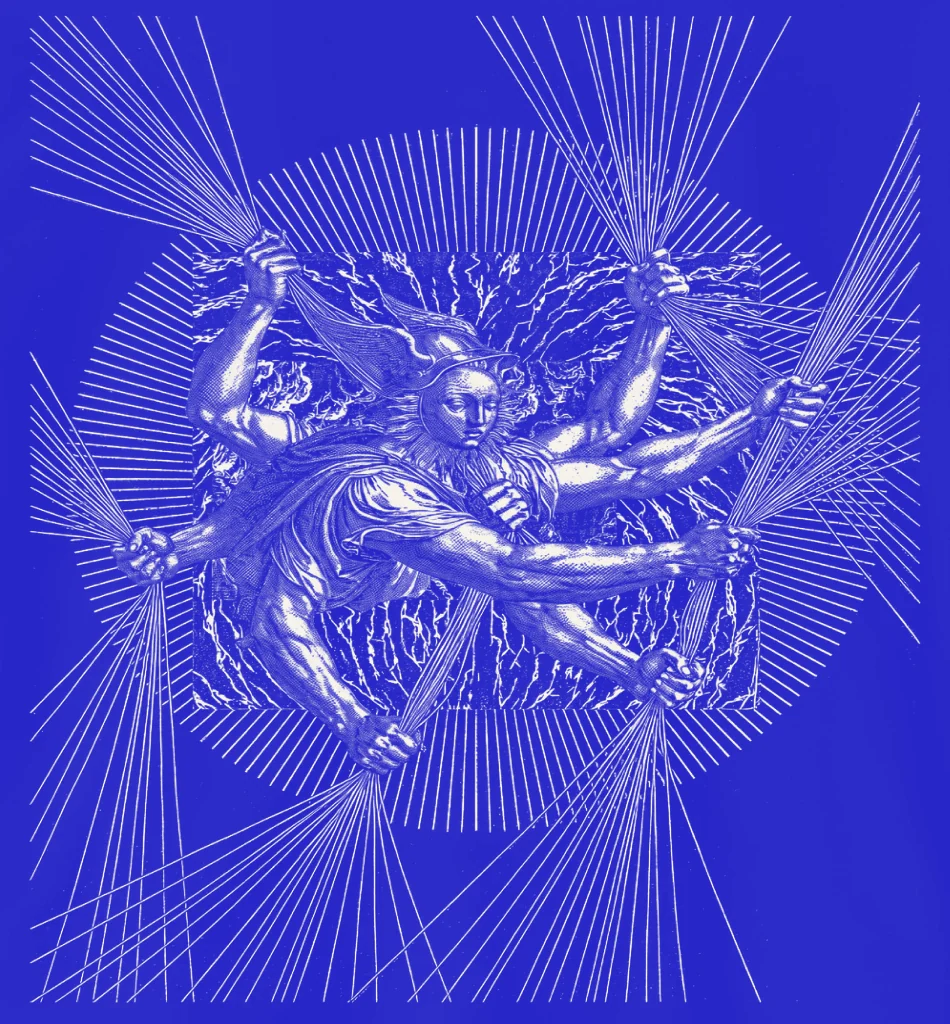
The European Union is a theocracy. It has no god, no clergy, and no scripture in the usual sense, but it has everything a theocracy needs: a sacred premise, an authority that derives from it, and penalties for those who reject it. The premise is human dignity.
A creed in the founding documents
Read the texts. Article 2 of the Treaty on European Union says the Union is “founded on the values of respect for human dignity”, with freedom, democracy, and the rest listed after. Article 1 of the Charter of Fundamental Rights opens with “Human dignity is inviolable. It must be respected and protected.” Before any right is granted, before any institution is described, comes the creed.
That ordering isn’t an accident. Dignity isn’t one value among many. It’s the foundation the others rest on, the thing the whole legal order claims to serve.
Where it came from
This architecture was built after Nuremberg. Europe in 1945 had just watched the state treat human beings as material, and it needed a ground for law that no future government could vote away. Majorities had failed, and so had positive law. So the post-war order reached for something above both: the Universal Declaration of Human Rights, the European Convention, the German Basic Law with its own “inviolable” dignity in Article 1. The EU inherited that foundation and made it its constitution.
The motive was understandable. But it meant building a political order on a metaphysical claim.
An invisible property
What is dignity? It isn’t measurable. It can’t be observed, weighed, or tested. It isn’t granted by the state, since the state only “recognises” it. It isn’t earned, and it can’t be lost. It is held to be inherent in every human person, equally, regardless of anything the person is or does.
That is not an empirical claim. It is a supra-empirical one: a property that exists beyond any possible evidence, known only by affirmation. Strip away the secular vocabulary and it is the imago Dei, the Christian doctrine that man bears the image of God, with God removed and the image kept. The theology survives; only the theologian is gone.
You may not disbelieve
A free society can live with metaphysical claims. What makes this one theocratic is that it is binding. A state cannot join the Union without accepting it. A member state judged to be departing from it can be pursued under Article 7 and stripped of its voting rights. Courts read every law against it and strike down what fails. Political parties and movements that question it are treated as threats to the order itself, not as participants in a debate.
You are free to believe in God or not. You are not free, in any legally meaningful sense, to disbelieve in dignity. It is the one article of faith the system cannot let go, because nothing else props it up.
Where this leads
An order that rests on a creed it won’t name can’t defend that creed by argument. It can only enforce it. Every challenge becomes heresy, every dissenting government a case for discipline, every question about the foundation an attack on Europe itself. That is how theocracies behave, whatever they call themselves.
Europe didn’t stop being religious. It just stopped admitting it.