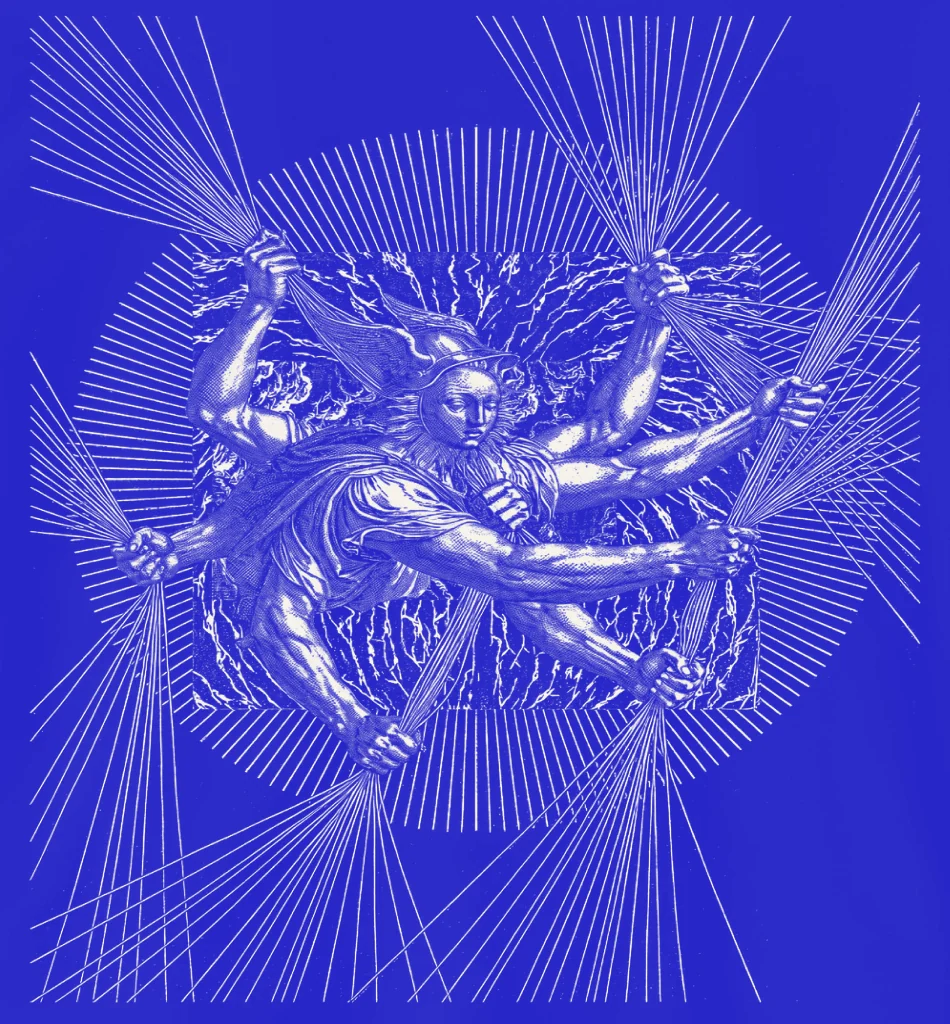
The defining sickness of modern life isn’t poverty or oppression. It’s anomie: the breakdown of the shared moral standards that tell people what to want, what to aim for, and when they have enough. Émile Durkheim named it in the 1890s. More than a century later, it describes us better than it described his France.
Freedom without a frame
Anomie is usually translated as “normlessness”, but that undersells it. It isn’t only the absence of rules. It is the unravelling of the bonds that tie a person to a community: the family, the faith, the trade, and the town that pass on a common sense of right and wrong. Cut those ties and the individual isn’t liberated. He’s lost. He has no standard to measure himself against and no one whose judgement counts.
It often begins with a clash of belief systems. When a society holds two incompatible moral codes, or swaps an old one for a new one faster than people can absorb it, neither keeps its authority. Each undermines the other, and people are left with nothing they can trust.
Desire without limit
The core of the problem is desire. A healthy society sets limits on what people should aspire to: a decent living, a respected place, a family, a craft done well. Within those limits, satisfaction is possible. Take the limits away and desire has no natural stopping point. Every gain shows a further one, every success raises the bar, and the chase gets more intense the longer it goes on.
That is the malady of the infinite. Desire without limit can never be fulfilled. It can only grow. The result isn’t happiness but derangement: an insatiable will that runs on and on and never arrives. It’s a precise description of the consumer, the careerist, and the endless scroll.
Protestants and Catholics
Durkheim found the effect in the suicide statistics. Protestant regions showed more of it than Catholic ones. The Catholic lived inside a dense web of ritual, confession, hierarchy, and shared practice. The Protestant faced God, and everything else, more or less alone. The more a faith leaves each person to work out meaning by himself, the less it can hold him when that meaning fails.
The lesson isn’t really about theology. It’s about structure. People need a common frame that is bigger than themselves and that they don’t have to invent.
Too rigid works too
But anomie isn’t simply too little order. It’s a mismatch between what a person or group holds and what the wider society demands. A society so rigid that it leaves no room for individual judgement can produce its own kind of anomie, where people go through motions they no longer believe in. The cure isn’t maximum control. It’s a moral order that people actually share and recognise as their own.
Where this leads
Modern societies have pulled off the strange feat of producing both kinds at once. They have dissolved the old communities and faiths, and replaced them with a dense mesh of bureaucratic rules nobody believes in. The individual is left with endless choices and no reason to make any of them. Loneliness, despair, and the rising death rates among the rootless aren’t mysteries. They’re what anomie looks like at scale.
The way out runs back through what was dissolved: real communities, shared limits, a moral order with roots. Without them, freedom is only a longer way of falling.